
Greenville Women’s Health Therapy
Bladder leaks, pain during sex, or changes in your core after childbirth can be frustrating and difficult to talk about. These concerns are common, but that does not mean you have to accept them as part of having children or getting older. When symptoms start affecting exercise, intimacy, sleep, or how you plan your day, they deserve attention.
At Apogee Therapy Center, our women’s health therapy addresses pelvic floor and core concerns in a private, supportive setting. Our Greenville clinic provides one-on-one care with a physical therapist trained in pelvic floor rehabilitation. You can talk openly about what you are experiencing and get a treatment plan built around your symptoms, comfort, and goals.

Women’s Health Therapy Built Around Your Life
Your pelvic floor is a group of muscles at the base of your pelvis. These muscles support your bladder, bowel, and uterus and work with your core during everyday movement. When they become weak, tense, or difficult to coordinate, you may notice symptoms that are easy to dismiss or assume are unrelated.
That is why women’s health therapy looks beyond one symptom. Bladder leaks, constipation, pelvic discomfort, and some types of back or hip pain can involve the pelvic floor. We evaluate how your pelvic floor, core, hips, and surrounding muscles work together so treatment reflects what your body actually needs.
Why Kegels Are Not Always the Answer
Kegels are often recommended for bladder leaks and pelvic floor weakness, but they are not right for everyone. Some women with pelvic pain, painful sex, or constipation have pelvic floor muscles that are already tense or have difficulty relaxing. More squeezing may not address the problem and can sometimes aggravate symptoms.
Before recommending exercises, we look at how well your pelvic floor muscles contract, relax, and coordinate with the rest of your body. For some women, strengthening is appropriate. For others, treatment begins with breathing, relaxation, and learning how to release tension.
Women’s Health Conditions We Treat in Greenville
Pelvic floor concerns can affect women at many stages of life. They are also more common than many people realize. A national study found that nearly 1 in 4 U.S. women experience at least one pelvic floor disorder.
Bladder and Bowel Concerns
Pelvic floor therapy can address symptoms such as:
- Stress urinary incontinence, including leaking with coughing, sneezing, jumping, or lifting
- Urge incontinence and a sudden need to reach the bathroom
- Constipation and straining
- Symptoms associated with interstitial cystitis or bladder pain syndrome
There is strong evidence supporting pelvic floor muscle training for urinary incontinence. A Cochrane review found that women with stress urinary incontinence who completed pelvic floor muscle training were more likely to report improvement or resolution of symptoms than women who received no treatment.
Treatment looks different for each woman. Depending on what is contributing to your symptoms, therapy may focus on strengthening, relaxation, coordination, bladder habits, or a combination of approaches.
Low Back and SI Joint Pain
Your pelvic floor works with your abdominal, hip, and back muscles to support your pelvis during movement. Pregnancy, childbirth, changes in strength, and other factors can affect how these muscles work together.
For women experiencing low back or sacroiliac (SI) joint pain, treatment may include:
- Core and pelvic floor retraining
- Hip and trunk strengthening
- Mobility exercises
- Hands-on techniques when appropriate
- Strategies for lifting, exercise, and everyday movement
Pregnancy and Postpartum Women’s Health Care
Pregnancy and childbirth place new demands on your pelvic floor, core, hips, and back. Women’s health therapy can support you during pregnancy and help you gradually rebuild strength and function after delivery.
Preparing for Labor and Delivery
Pelvic floor therapy during pregnancy is not just about strengthening. Preparing for delivery may also involve learning how to relax and lengthen the pelvic floor.
Birth preparation may include:
- Breathing and pelvic floor relaxation
- Labor and delivery positions
- Pushing mechanics
- Strategies for pregnancy-related back or hip pain
- Movement and mobility exercises
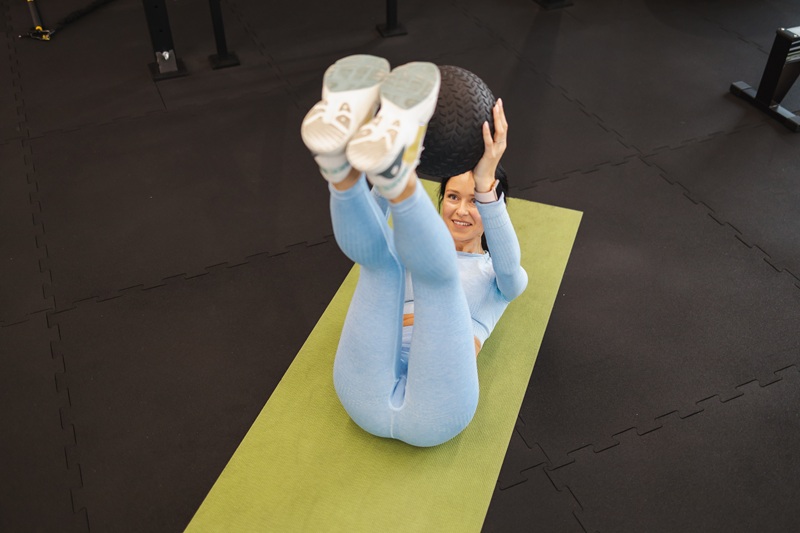
Postpartum Recovery and Diastasis Recti
Diastasis recti occurs when the connective tissue between the abdominal muscles stretches and the muscles move farther apart. It is common during and after pregnancy.
A postpartum medical checkup is important, but returning to running, lifting, or high-impact exercise may require additional recovery and conditioning. Pelvic floor therapy can help you rebuild gradually based on your symptoms, strength, and goals.
Your progression may include:
- Breathing and gentle core activation
- Pelvic floor and deep abdominal exercises
- Strengthening for lifting, carrying, and other daily activities
- Gradually returning to jogging, jumping, and higher-impact exercise
Your goals matter, too. If you want to get back to lifting at the gym or jogging the Swamp Rabbit Trail with a stroller, we can build those activities into your progression.
C-Section and Hysterectomy Scar Care
After a C-section, hysterectomy, or other pelvic surgery, you may notice tenderness, numbness, tightness, or changes in how the area moves. Women’s health therapy can address scar mobility and surrounding muscle or tissue restrictions when appropriate.
Treatment may include gentle hands-on techniques and guidance for safely working with the scar at home. Even if your surgery was months or years ago, an evaluation can help determine whether scar-related restrictions are contributing to your symptoms.
Pelvic Pain and Women’s Health Treatment
Pelvic pain can be difficult to talk about, especially when you have been dealing with it for months or years. The pelvic floor is not always the cause, but tight or overactive muscles can contribute to pain and discomfort. Women’s health therapy looks at how these muscles are functioning and whether they may be part of what you are experiencing.
Painful Sex, Vaginismus, and Vulvodynia
Pain during sex is not something you have to simply accept. Vaginismus involves involuntary tightening of the pelvic floor muscles with attempted penetration. Vulvodynia involves ongoing vulvar pain or discomfort that may not have an identifiable cause.
When pelvic floor muscles are contributing to your symptoms, treatment may include:
- Breathing and relaxation exercises
- Gentle hands-on techniques for tight muscles and tissues
- Dilator training at your own pace, when appropriate
- Pelvic floor coordination exercises
- Strategies for reducing discomfort during daily activities and intimacy
Treatment should never feel rushed. Your therapist can adjust the pace and approach based on your symptoms, comfort level, and goals.
Chronic Pelvic Pain and Endometriosis
Endometriosis requires medical care, but pelvic floor therapy can address muscle tension, movement limitations, and other musculoskeletal symptoms that may occur alongside it. Chronic pain can also cause the muscles around the pelvis to tighten or guard over time.
Our therapy can complement the care you receive from your gynecologist or other healthcare providers. Treatment focuses on the physical factors within our scope, including pelvic floor function, muscle tension, mobility, and movement.
Your First Women’s Health Visit With Our Team
It is completely understandable to feel nervous about your first pelvic floor therapy visit. Knowing what to expect can make the appointment feel more comfortable. Your first visit typically includes:
- A private conversation about your symptoms, health history, and goals
- An assessment of posture, breathing, and hip and back movement
- An external assessment of your abdomen and pelvic area
- An internal pelvic floor exam, when appropriate and only with your consent
- A treatment plan based on what we find
An internal exam is not required at your first visit. It can provide helpful information about pelvic floor strength, tension, and coordination, but you can begin with an external assessment. Your therapist will explain each part of the evaluation so you can decide what you are comfortable with.
Starting Women’s Health Therapy Without a Referral
You can begin physical therapy in South Carolina without first getting a referral from a medical provider. If treatment continues beyond 30 days without an initial medical referral, South Carolina rules require the physical therapist to refer you to a medical provider. Some insurance plans have their own referral requirements, so it is also worth checking your coverage before your first appointment.
When to Consider a Pelvic Floor Evaluation
You do not have to wait until symptoms become severe to ask about pelvic floor therapy. An evaluation may be helpful:
- During pregnancy, especially with back, hip, or pelvic discomfort
- After a vaginal or C-section delivery
- Before or after pelvic surgery
- Around menopause
- When bladder leaks, pelvic pain, or constipation affect daily life
- When returning to running, lifting, or other exercise
If something does not feel right, it is worth bringing up. An evaluation can help determine whether pelvic floor therapy is appropriate for your symptoms.

Meet Greenville’s Women’s Health Specialist
Women’s health therapy in Greenville is led by Dr. Lora Carter, PT, DPT, a pelvic floor therapist and co-owner of Apogee’s South Carolina clinics. Sessions are one-on-one in a private treatment room, and you work with the same therapist throughout your care.
Lora sees patients at our Greenville physical therapy clinic on Roper Mountain Road and at our Spartanburg clinic.
Take the Next Step in Your Women’s Health
Bladder leaks, pelvic pain, painful sex, and postpartum changes can be difficult to talk about. They are also concerns you deserve to have taken seriously.
At Apogee Therapy Center, we take time to understand what you are experiencing and what you want to get back to doing. That might mean exercising without leaking, lifting your child without discomfort, or feeling more comfortable during intimacy.
You do not need to know exactly what is causing your symptoms before you come in. Schedule a women’s health evaluation with our Greenville team to find out whether pelvic floor therapy may help.