
Spartanburg Women’s Health Therapy
Bladder leaks, pelvic pain, and a core that never quite recovered can be easy to push aside. Many women assume these changes are simply part of having children, staying active, or getting older. They may stop mentioning them, even as the symptoms begin affecting exercise, intimacy, or everyday routines.
At Apogee Therapy Center, our women’s health program gives these concerns the attention they deserve. Our downtown Spartanburg clinic provides private, one-on-one care with a physical therapist trained in pelvic floor rehabilitation. We look at how your pelvic floor, core, hips, and low back work together and build treatment around your symptoms and goals

Women’s Health Care for Every Stage of Life
Your pelvic floor can change throughout your life. Sports, pregnancy, childbirth, surgery, and menopause can all affect how these muscles function. What you need at one stage may look very different from what you need at another.
Our women’s health services start with where you are now. A college runner and a new mom may both experience leaking when they jump, but the factors contributing to it can differ. We take time to understand your history, activity level, symptoms, and goals before deciding what treatment should look like.
Bladder Leaks Are Common, but You Can Ask for Help
Bladder leaks are common enough that many women assume they are something they simply have to manage. In one large study, nearly two-thirds of women with urinary incontinence had not received medical care for it. Believing that leaking was a normal part of aging was one of the reasons women did not seek help.
Pelvic floor therapy can help identify factors contributing to leaking, including strength, muscle coordination, and how your pelvic floor responds during movement. Your symptoms deserve to be taken seriously at any age.
Women’s Health for Athletes and Active Women
Bladder leaks during exercise are not limited to women who have given birth or are getting older. A recent review found that 39% of women athletes experienced urinary incontinence. High-impact activities, heavy lifting, and repeated training can place significant demands on the pelvic floor.
This can affect women at many levels of activity, from college athletes at schools such as Converse and Wofford to runners, lifters, and recreational athletes throughout Spartanburg. Leaking during exercise may be common, but it is still worth discussing with a healthcare provider.
How We Treat Leaking in Active Women
Pelvic floor function is connected to how you breathe, brace, and manage pressure during movement. If leaking happens while running, jumping, or lifting, we look at what your body is doing during those specific activities.
Treatment may include:
- Assessing pelvic floor strength, endurance, and relaxation
- Evaluating breathing and bracing during exercise
- Building strength and coordination for the demands of your activity
- Practicing running, jumping, landing, or lifting with better pressure control
- Gradually applying those changes as you return to training
The goal is not to tell you to stop doing the activities you enjoy. We work with you to address your symptoms while helping you continue toward your training and fitness goals.
Pregnancy and Postpartum Women’s Health
Pregnancy and childbirth place new demands on your pelvic floor, abdominal muscles, hips, and back. Women’s health therapy can help you prepare for delivery and gradually rebuild strength and function afterward.
Bladder Leaks After Having a Baby
Bladder leaks are common after childbirth, but that does not mean you have to accept them as your new normal. Pregnancy itself places additional pressure on the pelvic floor, so symptoms can occur after either a vaginal or C-section delivery.
Postpartum pelvic floor therapy can address strength, coordination, breathing, and how your core and pelvic floor work together. There is also no rule that you have to be newly postpartum to ask for help. Women can seek an evaluation months or years after delivery.
Diastasis Recti and Birth Recovery
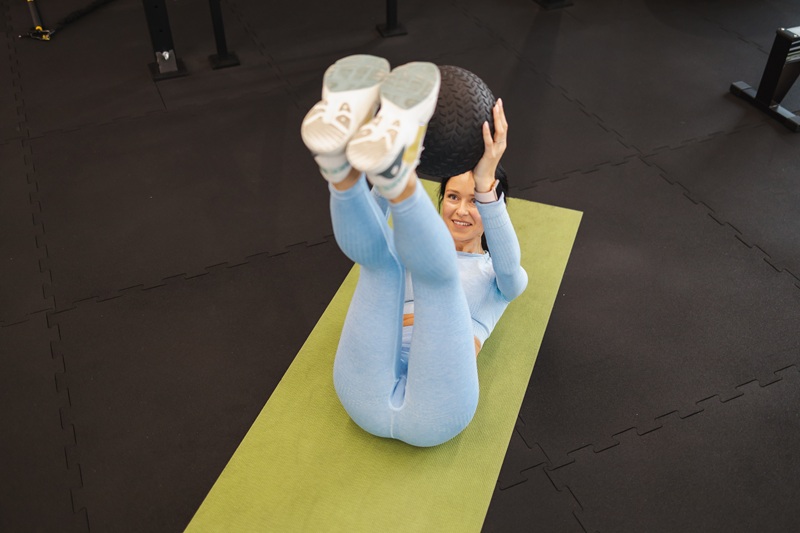
Diastasis recti occurs when the connective tissue between the abdominal muscles stretches and the muscles move farther apart. Postpartum women may also experience C-section scar discomfort, pelvic floor symptoms, or low back and SI joint pain.
Depending on your needs, postpartum care may include:
- Core and pelvic floor retraining
- Scar mobility work after a C-section or perineal tear
- Lifting strategies for car seats, strollers, and toddlers
- Gradual preparation for running, lifting, and other exercise
We also offer pelvic floor therapy during pregnancy. Birth preparation may include breathing, pelvic floor relaxation, mobility, and positions for labor and delivery.
Women’s Health Through Menopause and Beyond
Menopause can affect more than your menstrual cycle. Hormonal changes can affect the tissues around the vagina, bladder, and urinary tract. The American Urological Association reports that 27% to 84% of postmenopausal women experience symptoms associated with genitourinary syndrome of menopause.
These symptoms may include:
- Vaginal dryness or discomfort
- Pain during sex
- Frequent urination
- Urinary urgency
- Bladder leaks
Medical treatment may address hormonal or tissue changes. When pelvic floor function is also contributing to symptoms, physical therapy can address muscle strength, tension, coordination, and bladder habits.
Managing Urinary Urgency
Pelvic floor therapy can also include bladder retraining and strategies for managing urgency. Depending on your symptoms, this may involve gradually adjusting bathroom habits, learning techniques to manage a sudden urge, and improving pelvic floor coordination.
The goal is not to simply hold your bladder longer. Your therapist can help determine which strategies are appropriate based on your symptoms and health history.
Pelvic Pain and Women’s Wellness Treatment
Pelvic pain can affect work, exercise, intimacy, and everyday comfort. Sometimes pelvic floor muscle tension or difficulty relaxing contributes to these symptoms. Physical therapy can help determine whether muscles, movement, or coordination are part of the problem.
Pelvic floor therapy may help with concerns such as:
- Pain during sex and vaginismus
- Vulvodynia, including vulvar pain or burning
- Chronic pelvic pain
- Interstitial cystitis or bladder pain syndrome
- Pelvic symptoms associated with endometriosis
- Constipation or pain with bowel movements
Gentle Care for Pelvic Pain
Pelvic pain treatment should not feel rushed or uncomfortable. Depending on your symptoms, therapy may include breathing exercises, relaxation techniques, gentle hands-on treatment, and stretching. Dry needling may also be appropriate for tight hip or abdominal muscles.
You remain in control throughout treatment. Your therapist explains what each technique involves, and you can pause or decline any part of care.
Treatment may also address everyday habits that affect pelvic floor function. For constipation, this can include positioning, breathing, and strategies that reduce straining during bowel movements.
What to Expect at Our Women’s Health Clinic
Your first pelvic floor appointment may feel intimidating, especially if you are not sure what to expect. We want you to understand each part of the evaluation and feel comfortable asking questions.
Your first visit typically includes:
- A private conversation about your symptoms, health history, and goals
- An assessment of your posture, breathing, hips, and low back
- An external assessment of your abdomen and pelvic area
- An internal pelvic floor exam, when appropriate and only with your consent
- A treatment plan based on what we find
An internal exam is not required at your first visit. You can begin with an external assessment and discuss other options with your therapist later. Sessions are one-on-one in a private treatment room.
Starting Women’s Health Therapy Without a Referral
You can begin physical therapy in South Carolina without first getting a referral from a medical provider. If treatment continues beyond 30 days without an initial medical referral, South Carolina rules require your physical therapist to refer you to a medical provider. Some insurance plans have separate referral requirements, so it is worth checking your coverage before your first appointment.
When to Consider a Pelvic Floor Evaluation
You do not have to wait until pelvic floor symptoms become severe to bring them up. Consider an evaluation if you experience:
- Leaking with coughing, laughing, jumping, or lifting
- Frequent or sudden urges to use the bathroom
- Pain with tampons, pelvic exams, or sex
- Heaviness or pressure in the pelvis
- Constipation or difficulty with bowel movements
- Pelvic symptoms that interfere with exercise or daily activities
Some symptoms can have causes outside the pelvic floor. An evaluation can help determine whether physical therapy is appropriate or whether additional medical care may be needed.

Meet Your Spartanburg Women’s Health Specialist
Women’s health therapy in Spartanburg is led by Dr. Lora Carter, PT, DPT, a pelvic floor therapist and co-owner of Apogee’s South Carolina clinics. You work with the same therapist throughout your care, from your initial evaluation through your treatment plan.
Our Spartanburg physical therapy clinic is located on East Main Street near Morgan Square. Women closer to Greenville can also see Lora at our Greenville clinic.
Take Charge of Your Women’s Health
Pelvic floor symptoms can change how you exercise, plan your day, and feel during intimacy. You may find yourself avoiding certain activities or always checking where the nearest bathroom is. These concerns can be difficult to discuss, but they deserve attention.
At Apogee Therapy Center, women’s health therapy starts with listening to what you are experiencing and what you want to improve. Your treatment plan reflects your symptoms, stage of life, activity level, and goals.
You do not need to know exactly what is causing your symptoms before scheduling an appointment. Contact our Spartanburg team for a women’s health evaluation and a clearer understanding of what may help.