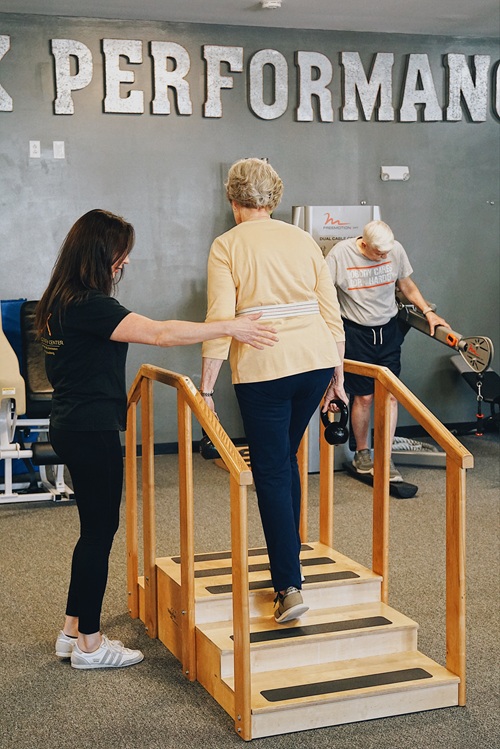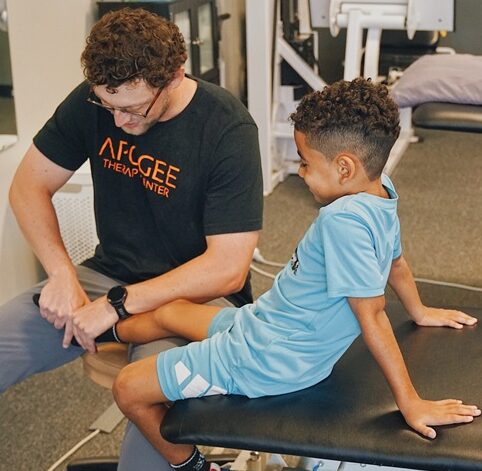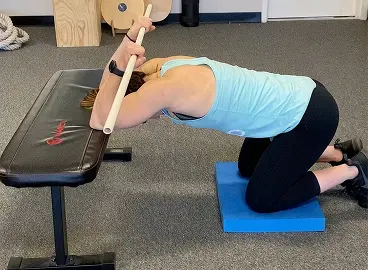


You don’t have to wait for an injury to interrupt your daily activities before paying attention to how your body moves. Recurring discomfort, limited flexibility, or difficulty with certain movements can signal areas that deserve attention.
Injury prevention physical therapy helps identify strength, mobility, balance, and movement limitations that may contribute to future problems. At Apogee Therapy Center, we evaluate how you move and develop individualized recommendations for your activities and physical goals.
Our focus is helping you move with greater confidence, prepare for physical demands, and reduce injury risks that can be addressed through rehabilitation and movement training.
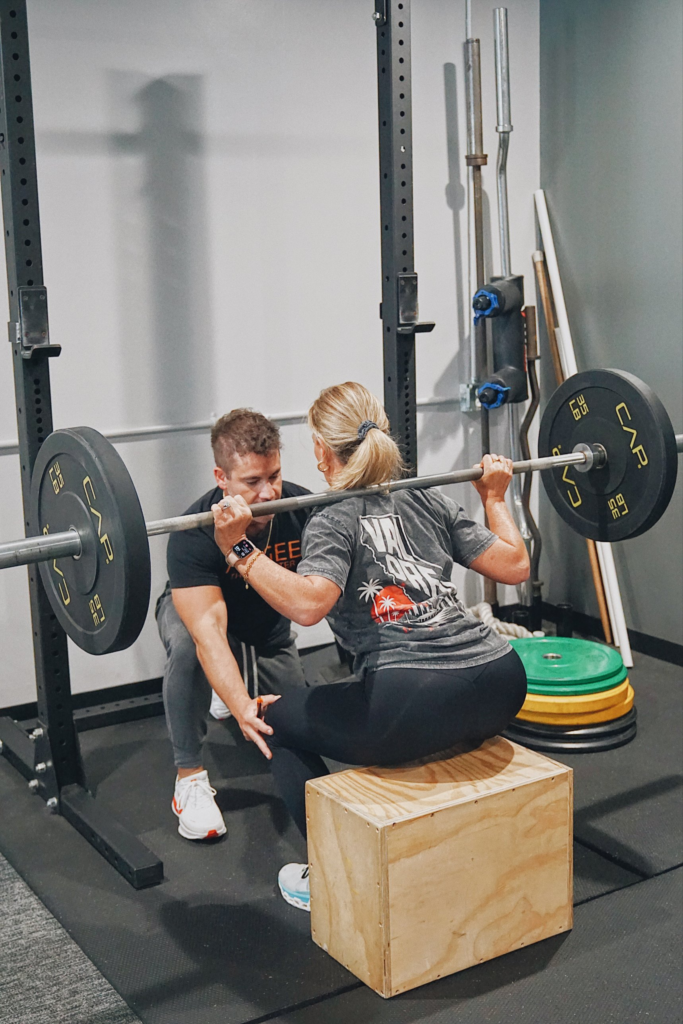
Who Can Benefit From Injury Prevention Physical Therapy?
Injury prevention isn’t limited to competitive athletes. People of different ages and activity levels may benefit from understanding their movement patterns and physical limitations.
Consider an injury prevention evaluation if you:
- Experience recurring discomfort during physical activities
- Notice stiffness or weakness that affects your movement
- Have difficulty with lifting, bending, reaching, or repetitive tasks
- Are returning to regular activity after a period of inactivity
- Have a previous injury that continues to affect certain movements
- Want to improve your strength, flexibility, or movement control
- Perform physically demanding work or household activities
- Are increasing your exercise intensity or activity level
A physical therapist can help determine whether your concerns involve limitations that may respond to targeted exercise, movement training, or other interventions.
What Does an Injury Prevention Assessment Include?
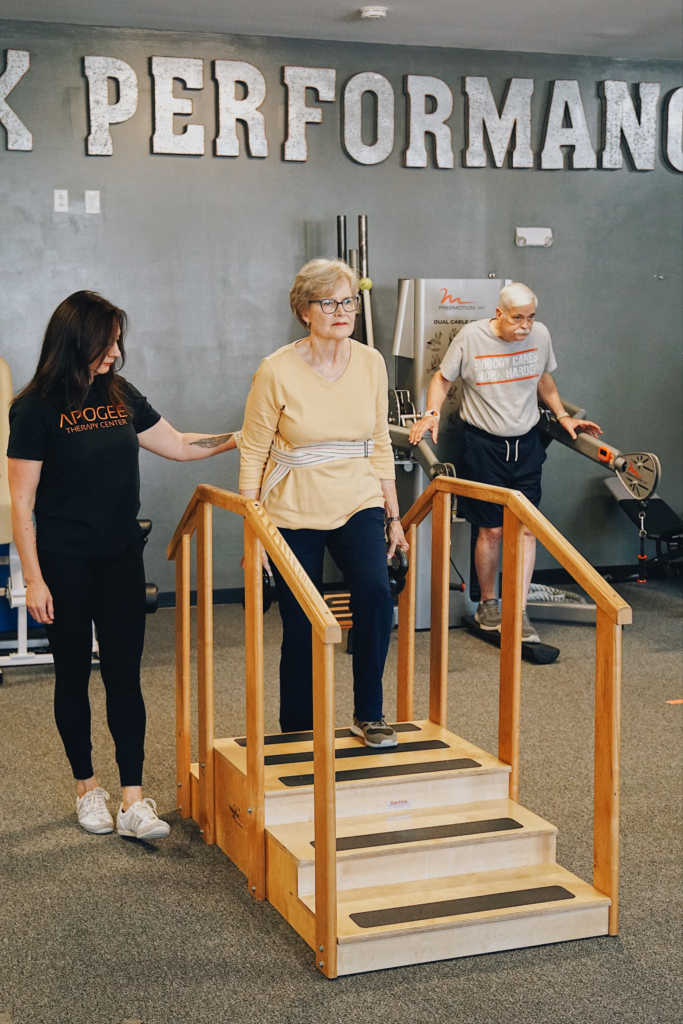
An injury prevention evaluation considers your current abilities, activity demands, and any previous injuries that may influence how you move.
Depending on your needs, your physical therapist may assess:
- Strength: Muscle weakness or differences that affect movement and physical tasks.
- Joint mobility: Restrictions that make certain movements uncomfortable or difficult.
- Balance and stability: Your ability to maintain control during standing and movement.
- Movement patterns: How you squat, bend, lift, reach, walk, or perform other relevant activities.
- Coordination: How different muscle groups work together during movement.
- Activity tolerance: How your body responds to repeated movements or increasing physical demands.
The goal isn’t to identify a single movement that predicts an injury. Instead, your therapist looks for limitations that can be improved and considers how they relate to your daily activities.
How Physical Therapy Supports Injury Prevention
Once your therapist identifies relevant limitations, treatment focuses on helping you build the physical abilities needed for your activities.
Your injury prevention program may include:
- Strength and conditioning exercises to improve your ability to handle physical demands.
- Flexibility and mobility training to address restrictions affecting movement.
- Functional movement training to practice movements used in daily life.
- Balance and coordination exercises to improve stability and movement control.
- Ergonomic guidance for lifting, positioning, and repetitive tasks.
- Activity progression recommendations to help you increase physical demands at an appropriate pace.
At Apogee Therapy Center, injury prevention recommendations reflect your evaluation rather than a standardized exercise routine. Your therapist may also adjust exercises as your strength, mobility, and activity tolerance change.
Injury Prevention for Everyday Activities
Injury prevention applies to more than exercise and recreation. Repeated movements, prolonged positions, and physically demanding tasks can place stress on muscles and joints.
Someone who spends hours working at a desk may have different concerns from a person who regularly lifts equipment. Likewise, an individual returning to gardening may need different movement preparation than someone beginning a walking program.
Physical therapists consider these differences when recommending exercises, movement modifications, and activity progression.

An old injury can affect how you move long after the pain improves. Lingering weakness, stiffness, or reduced coordination may become more noticeable when you increase your activity. A physical therapy assessment can help identify these limitations and determine which ones may benefit from targeted training.
Can Physical Therapy Prevent Every Injury?
No treatment or exercise program can eliminate every injury risk. Falls, accidents, unexpected movements, and other factors can cause injuries even in people with good strength and mobility.
However, physical therapy can help identify limitations that may be improved through exercise and movement training. Addressing these concerns may help you better tolerate physical activity and manage some modifiable injury risks.
The goal is to prepare your body for the activities you want to perform, not promise that injuries will never happen.
Find Injury Prevention Physical Therapy at Apogee
Apogee Therapy Center serves patients in Michigan and South Carolina. Our physical therapists evaluate movement limitations and recommend strategies to help reduce injury risks.
Injury prevention physical therapy is available at the following locations:
- Spartanburg, South Carolina: Individualized evaluations addressing movement control, functional strength, and physical readiness.
- Grandville, Michigan: Injury prevention assessments and movement training for patients managing physical limitations or preparing for increased activity.
- Greenville, South Carolina: Physical therapy focused on strength, mobility, and movement concerns related to everyday activities.

A Personal Approach to Injury Prevention
At Apogee Therapy Center, we recognize that injury prevention looks different for every patient. Your work, daily activities, physical abilities, and previous injuries all influence your needs.
Our physical therapists consider these factors when evaluating movement and recommending exercises. We focus on helping you understand your limitations and develop practical ways to improve your physical abilities.
Whether you’re preparing for more activity or addressing recurring movement concerns, our goal is to help you remain active and capable in your everyday life.
Take a Proactive Approach to Your Movement
You don’t need to experience a major injury before seeking guidance about your strength, flexibility, or movement patterns.
If recurring discomfort or physical limitations are affecting your activities, an injury prevention evaluation may help you identify areas worth addressing.
Move Better. Feel Stronger. Live At Your Peak
It is our aim to provide personal, compassionate care delivered by highly trained and experienced therapists.
Book An Appointment