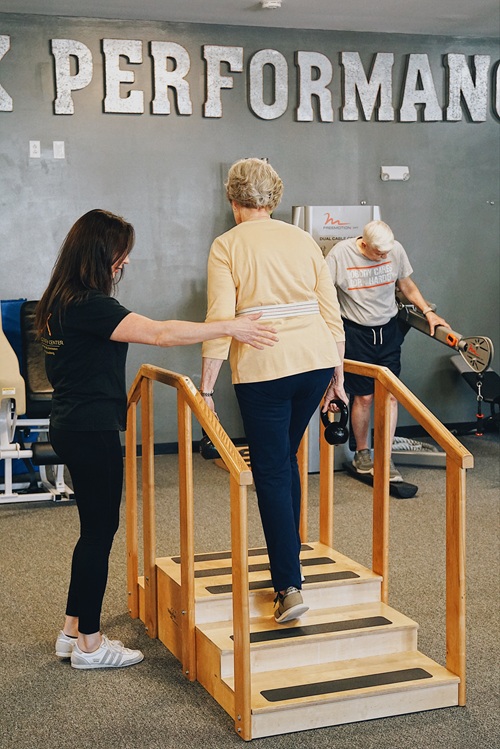


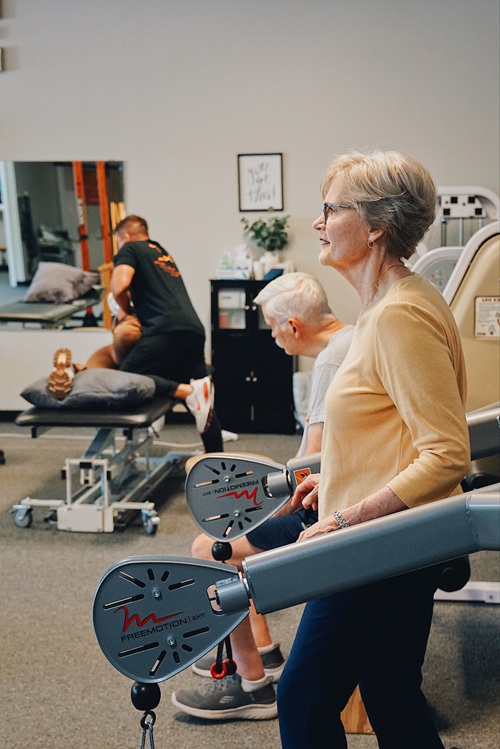
Pain, stiffness, and limited movement can make ordinary activities harder than they should be. Whether you’re struggling with persistent back pain, shoulder discomfort, or weakness following an injury, physical therapy can help you move more comfortably.
At Apogee Therapy Center, our physical therapists evaluate how your muscles, joints, and movement patterns contribute to your symptoms. We develop individualized treatment plans focused on improving mobility, building strength, and helping you return to activities that matter to you.
Our approach combines hands-on treatment, therapeutic exercise, and other techniques selected for your specific needs. From everyday movement challenges to recurring musculoskeletal pain, we focus on practical improvements in how you feel and function.
When Should You Consider Physical Therapy?
You don’t need to have a serious injury to benefit from physical therapy. Many people seek treatment because discomfort or movement limitations gradually begin interfering with daily life.
Physical therapy may be appropriate if you experience:
- Pain that makes walking, bending, lifting, or reaching difficult
- Joint stiffness or reduced flexibility
- Muscle weakness that affects everyday activities
- Recurring neck, back, or shoulder discomfort
- Difficulty standing, sitting, or moving comfortably for extended periods
- Limited movement following an injury
- Pain that returns when you resume normal activities
- Changes in strength, mobility, or endurance that affect your independence
Some patients seek care for a recent problem, while others have managed symptoms for months or years. An evaluation helps determine which limitations physical therapy may address and whether additional medical assessment is appropriate.
Common Areas of Pain and Mobility Concerns
Physical therapy addresses a wide range of musculoskeletal concerns. The location of your pain is important, but understanding how it affects movement and function is equally valuable.
At Apogee Therapy Center, we evaluate patients experiencing:
- Neck pain: Stiffness, discomfort with head movement, and limitations associated with posture or daily activities.
- Shoulder and upper-extremity pain: Difficulty reaching, lifting, carrying, or performing repetitive arm movements.
- Hand and finger pain: Discomfort or movement limitations affecting gripping and everyday hand use.
- Thoracic and upper back pain: Stiffness or discomfort through the middle and upper spine.
- Lumbar pain: Lower back discomfort that affects sitting, standing, bending, or walking.
- SI joint and sacral pain: Discomfort around the lower back, pelvis, or sacroiliac region.
- Hip and lower-extremity pain: Pain or weakness involving the hips, thighs, knees, ankles, or legs.
- Foot and toe pain: Symptoms that interfere with walking, standing, balance, or comfortable footwear.
Physical therapy may also help with certain headaches associated with neck dysfunction, jaw-related movement concerns, and chronic musculoskeletal pain.
Symptoms in one area do not always originate from that location. Your physical therapist considers how surrounding joints, muscles, and movement patterns may contribute to your limitations.
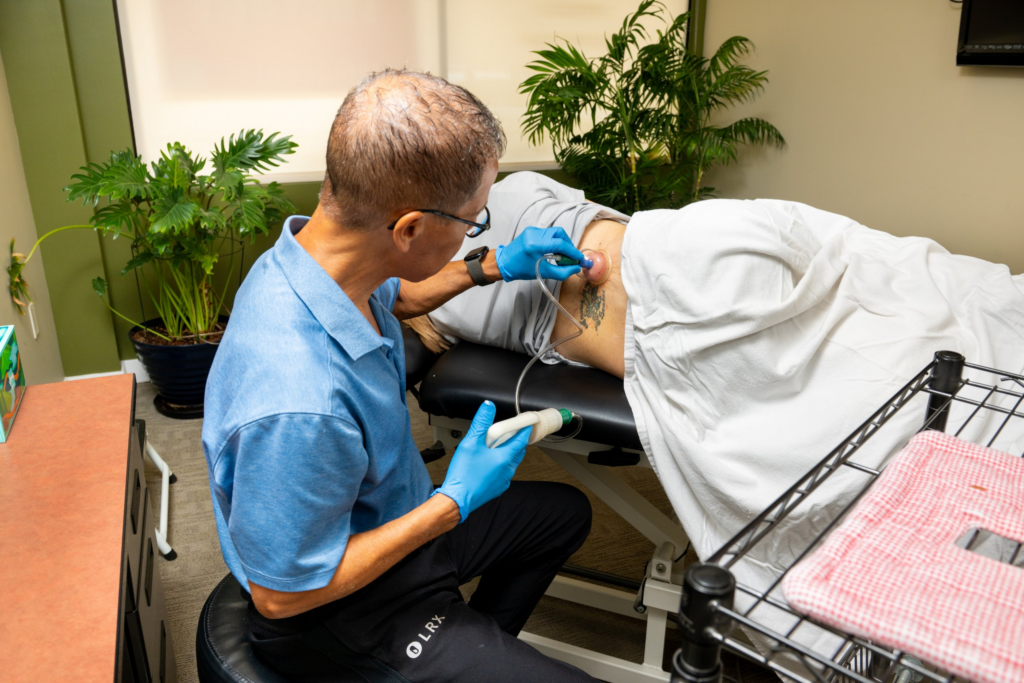
Physical Therapy Treatment Methods at Apogee
Physical therapy is not a single exercise or treatment technique. Your therapist selects appropriate methods based on your evaluation, symptoms, functional limitations, and response to care.
Apogee Therapy Center uses a range of treatment approaches, including:
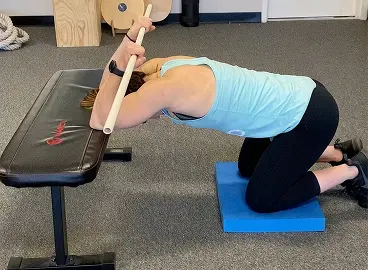
- Therapeutic exercise: Targeted exercises designed to improve strength, flexibility, endurance, and movement control.
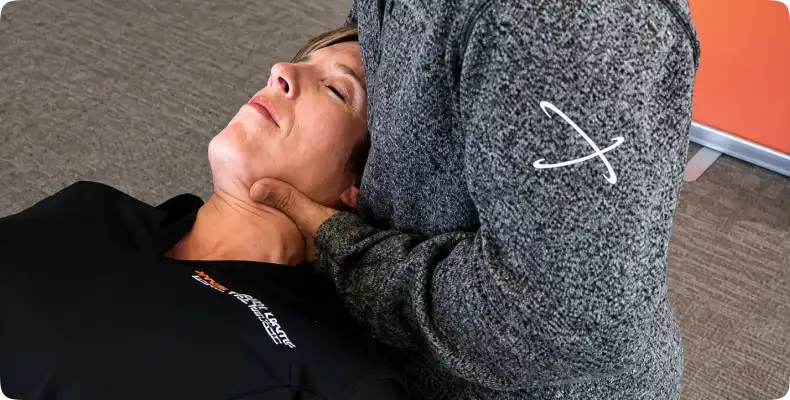
- Manual therapy: Hands-on techniques used to assess and address certain movement restrictions and joint limitations.
- Spinal and joint mobilization: Skilled techniques that may help improve movement in stiff or restricted joints.
- Dry needling: A technique involving thin needles that may help manage certain muscle-related pain and movement limitations.
- Cupping therapy: Uses suction cups on the skin as an adjunct technique for selected musculoskeletal symptoms.
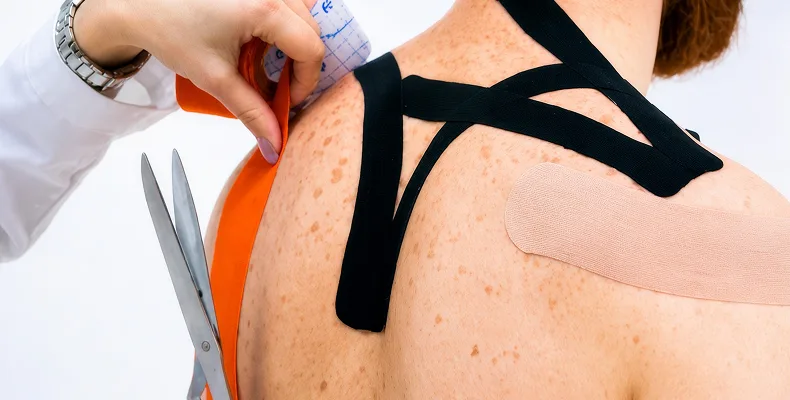
- Kinesio and McConnell taping: Taping methods that may provide support or influence movement during rehabilitation.
- The McKenzie Method: A movement-based assessment and treatment approach, particularly for certain spinal conditions.
- Therapeutic ultrasound and electrical stimulation: Modalities that may be incorporated when clinically appropriate.
- Postural and ergonomic training: Guidance on movement habits, positioning, and physical demands during daily activities.
- Functional movement training: Exercises that reflect movements used at home, at work, and throughout everyday life.
Not every patient needs these methods. Some treatment plans emphasize exercise and movement training, while others incorporate additional techniques to address specific limitations.
Your therapist explains the recommended approach and adjusts treatment as your needs change.
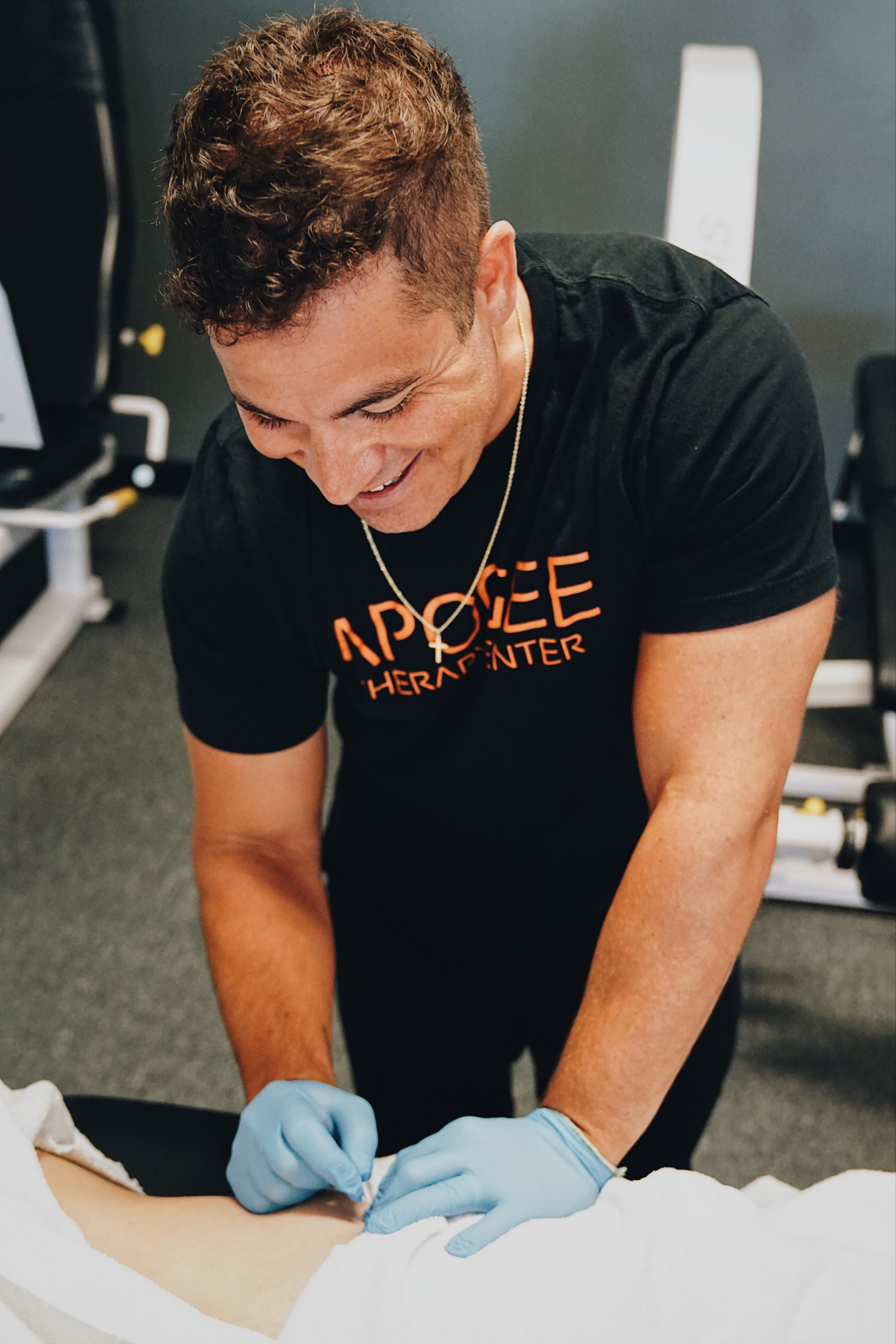

Did you know? Pain doesn’t always come from the area where you feel it. Stiffness, muscle weakness, or limited movement in one part of your body can affect how other areas function. A physical therapist evaluates these connections to help identify what may be contributing to your discomfort.
What to Expect From Physical Therapy at Apogee
Your first appointment begins with understanding why you’re seeking care. Your physical therapist asks about your symptoms, medical history, previous injuries, and the activities you’re having difficulty performing.
The evaluation may include assessing your strength, flexibility, joint mobility, posture, and movement patterns. Your therapist also considers how your symptoms affect daily activities and what you hope to accomplish through treatment.
After the evaluation, your therapist discusses the findings and recommends an individualized treatment plan. This may include exercises, hands-on techniques, movement training, and activities to practice between appointments.
As treatment progresses, your therapist monitors changes in your symptoms and functional abilities. Exercises and treatment methods may be adjusted as your strength, mobility, and tolerance for activity improve.
Do You Need a Physician’s Referral?
Referral and insurance requirements vary. If you already have a physical therapy prescription, bring it to your appointment or arrange to have it sent beforehand.
If you’re unsure whether you need a referral, contact Apogee Therapy Center before scheduling. Our team can help you understand the next steps.
Physical Therapy Locations:
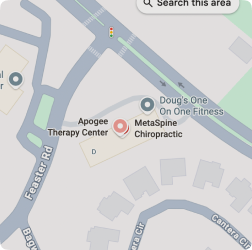

1904 Roper Mountain Rd Steb,Greenville, SC 29615
435 E Main St, Spartanburg, SC 29302
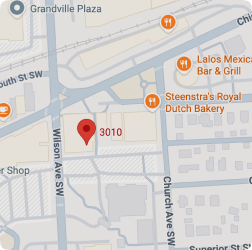
3010 Wilson Ave SW, Grandville, MI 49418
Personal Care and Experience at Apogee Therapy Center
Apogee Therapy Center was built around a commitment to personal care and helping patients reach their physical goals.
Founder Jeff Carter, PT, brings decades of physical therapy experience to the practice. His clinical background and commitment to hands-on care have helped shape Apogee’s approach across its locations.
Our physical therapists recognize that patients with similar symptoms may have very different needs. A person struggling to lift groceries has different priorities from someone who wants to walk comfortably through a full workday.
We take those differences into account when developing treatment plans. Our goal is to understand what limits your movement and help you make meaningful progress toward the activities you value.

Start Moving Toward Better Function
You don’t have to wait until pain or stiffness prevents you from completing everyday activities. Physical therapy can help identify movement limitations and develop a plan to address them.
Whether you’re dealing with recurring discomfort, reduced mobility, or weakness following an injury, Apogee Therapy Center can help you explore your treatment options.
Contact Apogee Therapy Center today to schedule a physical therapy evaluation at one of our locations.
Move Better. Feel Stronger. Live At Your Peak.
It is our aim to provide expert care by highly trained physical therapists.
Reach Out Today