

An internal exam is not required to begin pelvic floor physical therapy. Many people put off care because they assume it is. That worry can keep them living with bladder leaks, pain, or pressure longer than necessary. Knowing what happens during the first appointment can make seeking treatment feel less intimidating.
Pelvic floor problems can affect people at different stages of life. Women may experience bladder leaks, pelvic pressure, or discomfort during everyday activities. Men can also develop pelvic floor problems, including chronic pelvic pain or symptoms following prostate surgery. Yet many people delay seeking help because they aren’t sure what treatment involves.
What to Expect at Pelvic Floor Physical Therapy
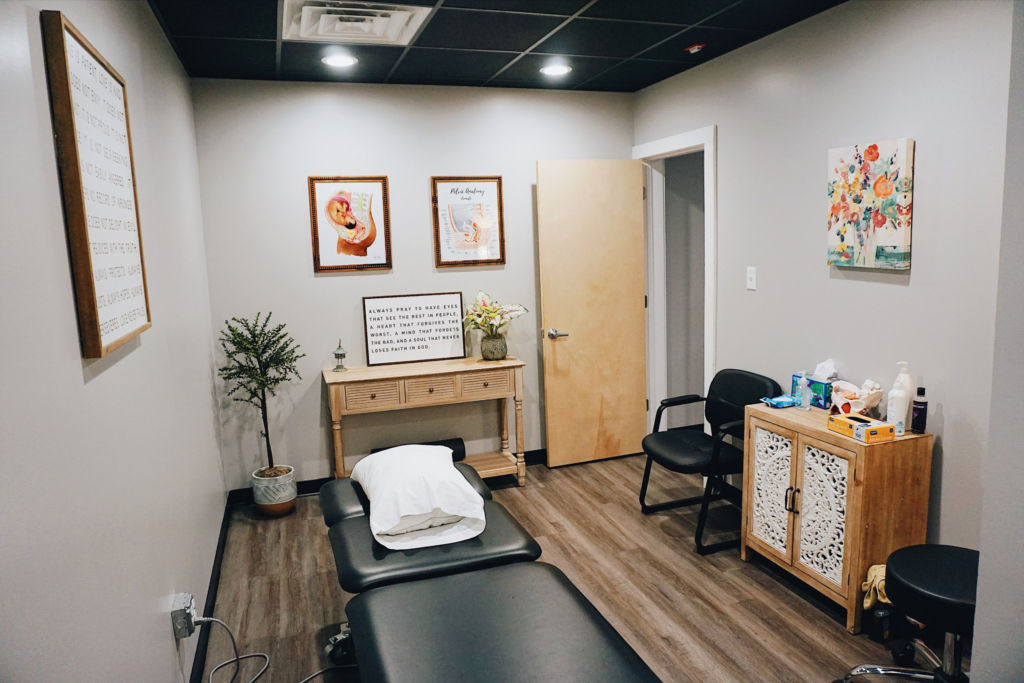
Your first visit is largely a conversation. Your therapist takes time to understand your symptoms, medical history, and what you hope to accomplish. Assessments take place in a private setting, with explanations and opportunities to ask questions throughout the appointment.
A typical first pelvic floor therapy visit may include:
- A private conversation about your symptoms and goals
- A review of relevant medical, surgical, and pregnancy history
- An external assessment of breathing, posture, hip mobility, and core function
- An optional internal pelvic floor assessment, only with your informed consent
- A discussion of findings and recommended treatment options
Not every patient needs every assessment. Your therapist explains what each involves and why it may be helpful before asking for your consent.
You can ask questions, decline an assessment, or request a pause at any point. Your comfort and preferences help guide the pelvic floor therapy appointment.
The First Conversation and Your Health History
Your therapist will ask questions that may feel personal. They might cover bladder habits, bowel movements, sexual pain, pregnancies, and past surgeries. These details help your therapist understand your symptoms and identify areas that may need further assessment.
You may be asked questions such as:
- When do symptoms happen, and what makes them better or worse?
- How often do you urinate during the day and at night?
- Do you leak with coughing, sneezing, lifting, or exercise?
- Do you feel pain with sex, tampon use, or sitting?
- Have you had children, and how were they delivered?
- Have you had abdominal, pelvic, or prostate surgery?
You only need to share what you feel comfortable discussing. If a question feels too personal, you can say so and return to it later. Your therapist can explain why certain information may be helpful to your care.
Pelvic Floor Physical Therapy Assessment Basics
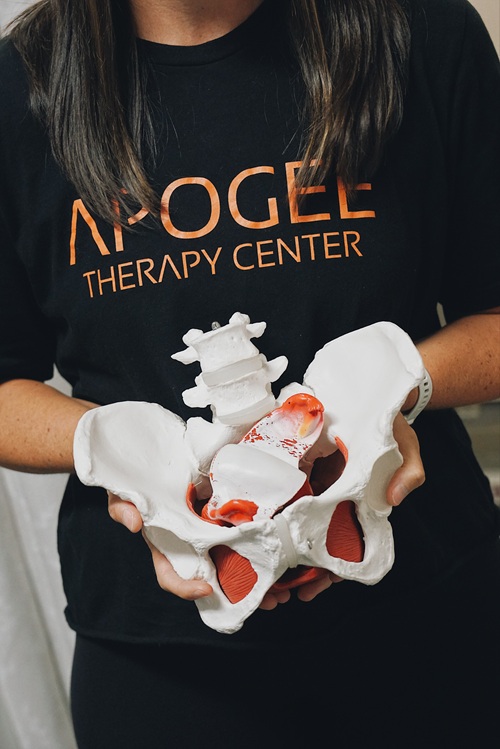
The pelvic floor does not work alone. It coordinates with your breathing, deep core muscles, hips, and lower back. That is why a pelvic floor physical therapy assessment often includes evaluating movement and muscle function outside the pelvic area.
At Apogee Therapy Center, patients seeking women’s health physical therapy can discuss their symptoms and learn which assessments may be appropriate for their needs.
The External Pelvic Floor Exam
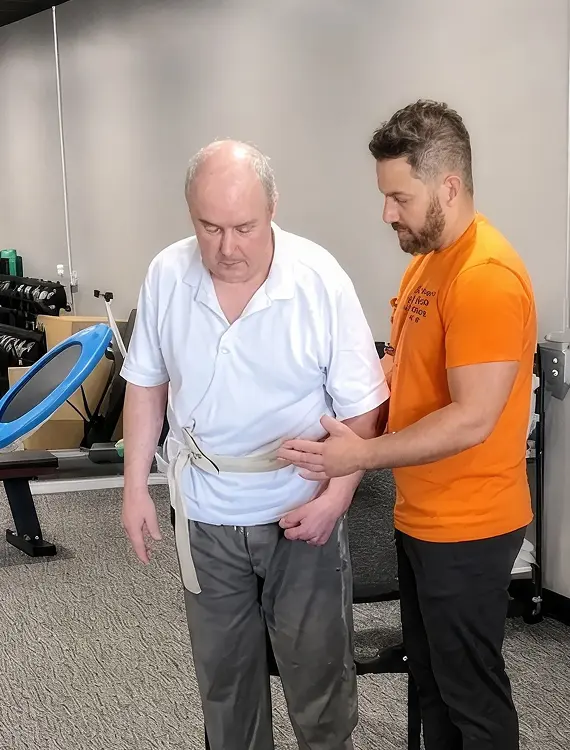
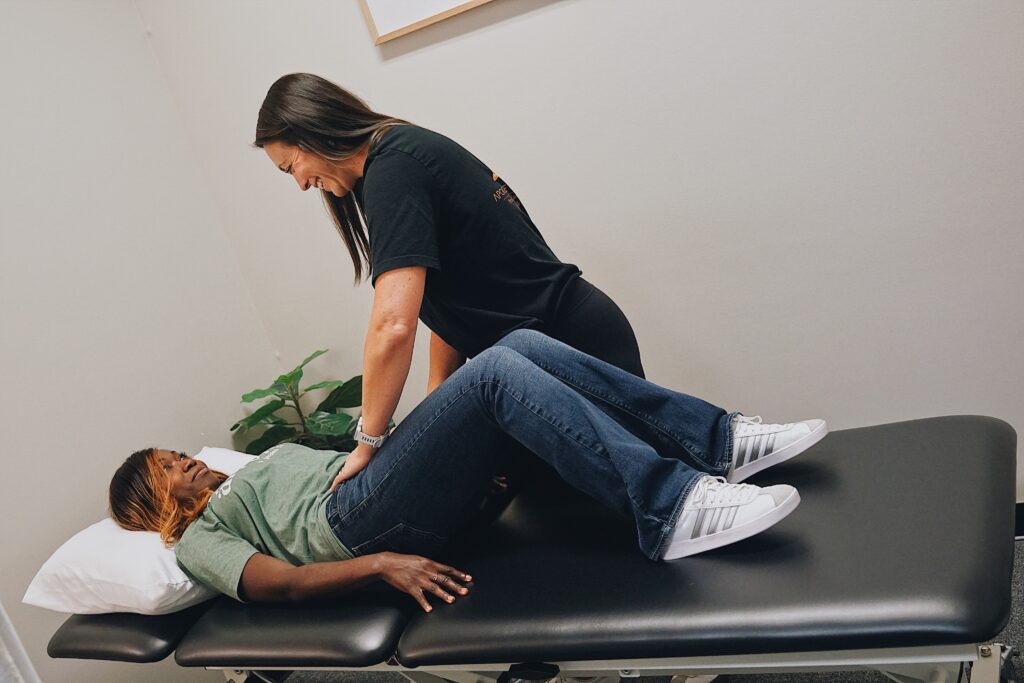
An external assessment may begin with your clothes on. Your therapist might observe how you breathe, stand, sit, and move. They may also evaluate hip strength, back mobility, and how your abdominal muscles engage.

For postpartum patients, the assessment may include checking for abdominal muscle separation, known as diastasis recti.
Some therapists also assess pelvic floor muscles externally. Depending on the assessment, this may involve observation over clothing or gentle contact with the outside of the pelvic area. Your therapist should explain the examination and obtain your consent before proceeding.
The Optional Internal Pelvic Exam
An internal pelvic floor assessment can help your therapist evaluate how the muscles contract, relax, and coordinate. It may also identify areas of tenderness or increased muscle tension.
Depending on the patient’s anatomy and symptoms, an internal assessment may be performed vaginally or rectally. However, an internal examination is not required to begin treatment, and external assessment remains an option.
Here is a detail that eases a lot of anxiety. When performed, an internal pelvic floor examination commonly involves a gloved, lubricated finger rather than a speculum. Unlike a routine gynecological examination, the focus is on evaluating pelvic floor muscle function.
Your therapist explains the process beforehand, and you can decline or stop the examination at any time.
Consent During Your Pelvic Floor Therapy Visit
Consent continues through every step of the appointment, beyond any forms you complete beforehand. Your therapist should explain each assessment, why it may be helpful, and what to expect before asking for your permission.
You can:
- Decline an internal examination at any visit
- Wait until you feel comfortable before considering one
- Ask to pause or stop an examination at any point
- Ask whether a support person can be present
- Ask questions before, during, or after an assessment
Declining an internal examination does not prevent you from beginning pelvic floor physical therapy. Your therapist can use other assessment methods and discuss treatment options that respect your preferences.
What Happens After Your Pelvic Floor Assessment?
Before the appointment ends, your therapist will discuss the findings and explain what they may mean for your symptoms. You’ll have an opportunity to ask questions, discuss your goals, and understand the recommended next steps.
Your initial treatment plan may include exercises, movement recommendations, or strategies for managing symptoms at home. Some patients benefit from strengthening, while others need help improving muscle relaxation or coordination. Your therapist will explain which approaches may be appropriate based on your evaluation.
You may leave with a few activities to practice between appointments or recommendations for additional assessment. The goal of your first visit is to understand your concerns and establish a plan that fits your needs and comfort level.
How to Prepare for Pelvic Floor Physical Therapy
A little preparation can make your first visit smoother. You don’t need to do anything complicated beforehand, but comfortable clothing and a few details about your symptoms can be helpful.
What to Wear to Pelvic Floor PT
Wear comfortable clothes you can move in, such as leggings or athletic pants. Your therapist may ask you to walk, squat, or lie down during an external assessment.
If you choose to have an internal examination, your therapist will explain the process and provide privacy and appropriate draping.
What to Bring to Your First Visit
Consider bringing:
- A list of current medications and supplements
- Relevant surgical or delivery records, if available
- Notes about when symptoms occur and what seems to trigger them
- Your insurance card and any required referral or prescription
A simple bladder diary may also be helpful, particularly if you’re experiencing urinary urgency, frequency, or leakage. Recording your symptoms and bathroom habits for a few days can make patterns easier to discuss. However, you don’t need to complete one unless your therapist requests it.
You can generally attend pelvic floor physical therapy during your period. If you have concerns about an examination or prefer to postpone it, let your therapist know. Your preferences remain part of the discussion.
Questions to Ask a Pelvic Floor Physical Therapist

Your first visit is also an opportunity to ask questions and understand the recommended approach. You might ask:
- What could be contributing to my symptoms?
- Would strengthening, relaxation, or coordination exercises be appropriate?
- What should I expect from future appointments?
- Are there activities or strategies I should try at home?
- How will we measure progress toward my goals?
You don’t need to remember every question during your appointment. Your therapist can explain the findings, discuss possible next steps, and address concerns as they arise.
Taking the First Step Toward Pelvic Floor Care
Bladder leaks, pelvic pain, and pressure can feel isolating. These symptoms are common reasons people seek pelvic floor physical therapy, and many can improve with appropriate treatment.
Your first appointment gives you an opportunity to discuss your concerns in a private, supportive setting. You can ask questions, decline an assessment, or change your mind at any point. The goal is to understand your symptoms and develop a plan that respects your comfort and needs.
At Apogee Therapy Center, Lora Carter, PT, DPT, is part of the team supporting women’s health services. Patients seeking women’s health physical therapy can discuss their symptoms and learn whether pelvic floor rehabilitation may be appropriate.
If pelvic floor symptoms have been affecting your daily life, contact Apogee Therapy Center to schedule an evaluation.
You Don't Have to Live With Discomfort.
Get an evaluation at Apogee Therapy Center and see how pelvic floor therapy can help you.
Book An Appointment