


One large clinical trial compared physical therapy with surgery for people who had both a meniscus tear and knee arthritis. After six months, the groups showed similar average improvements in function. That may surprise patients who assume a torn meniscus always needs surgery.
For many common orthopedic conditions, treatment can begin with movement, strengthening, and other conservative approaches. Surgery may not be necessary.
So, can physical therapy help with pain without surgery? In many cases, yes. Physical therapy can improve strength, mobility, and daily function while helping patients manage pain. It is often recommended as an initial treatment for back, neck, knee, shoulder, and other musculoskeletal conditions. However, some injuries and medical conditions still require surgical evaluation.
How Physical Therapy for Pain Relief Works
Pain can develop for many reasons, including injury, inflammation, joint changes, muscle weakness, and increased sensitivity within the nervous system. Limited mobility or changes in how someone moves may also contribute to ongoing discomfort.
Physical therapy addresses factors that can affect movement and daily function. A physical therapist typically focuses on four areas:
- Strength: Improving the ability of muscles to support joints and manage physical demands
- Mobility: Addressing stiffness and improving comfortable movement
- Movement patterns: Evaluating activities such as bending, lifting, walking, and reaching
- Function: Helping patients return to the everyday tasks and activities that matter to them
Treatment may combine therapeutic exercise, movement training, education, and hands-on techniques such as joint mobilization or soft tissue work. The approach depends on the patient’s condition, symptoms, and goals.
Rather than relying on a single technique, conservative orthopedic treatment helps patients gradually improve their ability to move and manage physical activity.
Physical Therapy Without Surgery: What Does the Evidence Show?
Clinical research supports physical therapy as an effective treatment option for several common musculoskeletal conditions. Studies comparing physical therapy with surgery, injections, and other treatments help explain when conservative care may be appropriate.
Meniscus Tears and Knee Arthritis
The METEOR trial followed 330 adults with a meniscal tear and knee osteoarthritis. Published in the New England Journal of Medicine, the study found no significant difference in average functional improvement between the physical therapy and surgery groups after six months.
However, approximately 30% of participants initially assigned to physical therapy underwent surgery within that period. The METEOR trial findings support physical therapy as a reasonable initial treatment for many patients with these conditions, while recognizing that some may eventually need surgery.

Knee Osteoarthritis and Injections
A 2020 clinical trial compared physical therapy with corticosteroid injections for patients with knee osteoarthritis. After one year, participants assigned to physical therapy reported better average outcomes for pain and physical function.
These clinical trial results support physical therapy as an effective non-surgical treatment option for knee osteoarthritis. They also show why conservative care deserves consideration beyond temporary symptom relief.
Low Back Pain Guidelines
The American College of Physicians recommends several non-drug treatments as initial options for chronic low back pain, including exercise and certain rehabilitation approaches.
Its clinical practice guideline also recognizes that acute low back pain often improves over time. Treatment recommendations depend on whether symptoms are acute or chronic and the patient’s individual circumstances.
Conditions That May Benefit From Physical Therapy Instead of Surgery
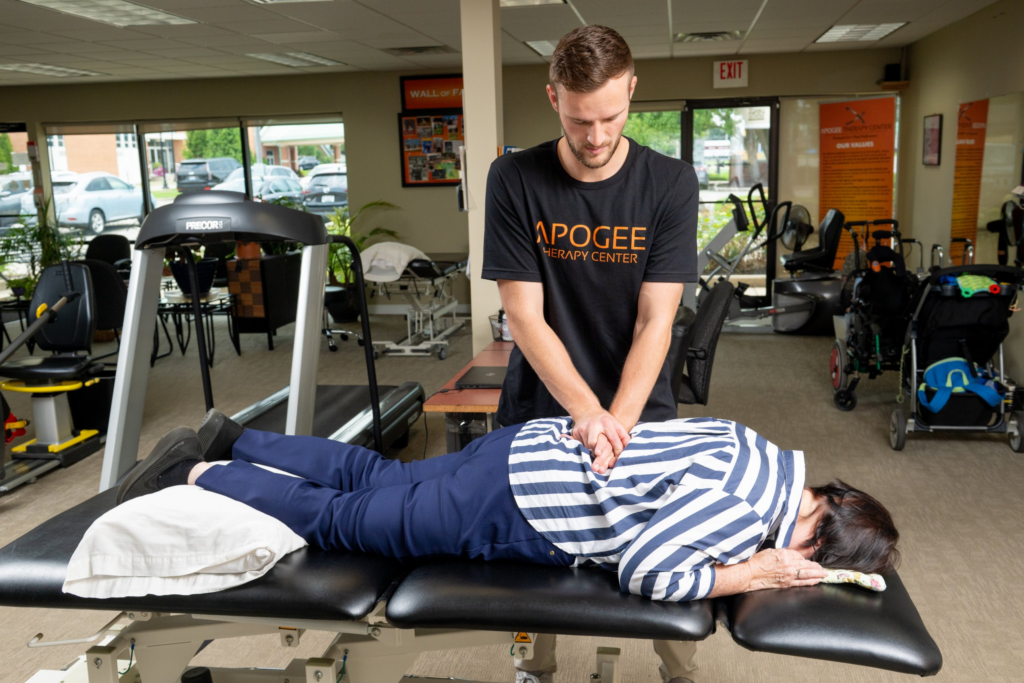
Physical therapy can help manage many musculoskeletal conditions without surgery. Whether conservative treatment is appropriate depends on the diagnosis, severity of symptoms, and how the condition affects daily activities.
Common examples include:
- Back pain: Many cases of mechanical back pain improve with conservative treatment, including exercise, movement modifications, and physical therapy.
- Neck pain and related headaches: Muscle tension, stiffness, and certain neck-related headaches may respond to physical therapy without invasive treatment.
- Knee pain: Arthritis, kneecap pain, and some meniscus injuries may improve with rehabilitation, reducing the need for surgical intervention.
- Shoulder and rotator cuff pain: Tendon irritation, frozen shoulder, and certain rotator cuff injuries may respond to non-surgical treatment.
- Hip and other joint pain: Arthritis, tendon problems, and muscle weakness may benefit from physical therapy that supports mobility and daily function.
Not every condition responds to conservative care, and some injuries require surgical evaluation. A physical therapist can assess your symptoms, identify functional limitations, and help determine whether rehabilitation is an appropriate starting point.
Can Physical Therapy Help With Long-Term Pain?
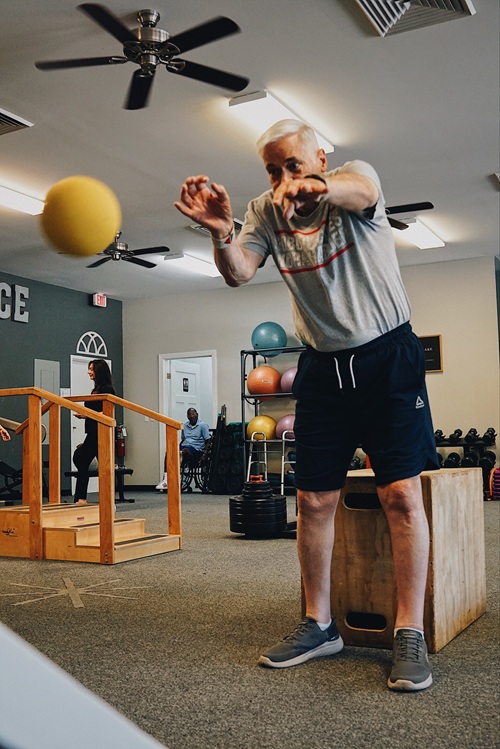
Pain that lasts for months can affect how the nervous system responds to movement and activity. Some people develop increased sensitivity, making everyday movements uncomfortable even after an injury has healed. Physical therapy for chronic pain considers these changes alongside strength, mobility, and physical function.
Imaging findings do not always explain persistent pain. MRIs sometimes reveal disc bulges, degenerative changes, or small tears in people who have no symptoms. These findings still deserve appropriate medical interpretation, but they do not automatically mean surgery is necessary.
Physical therapy helps patients gradually rebuild tolerance for activities that have become difficult. Treatment may include strengthening, movement training, and strategies for managing symptoms during everyday activities. Progress varies, but improving function and confidence can make persistent pain more manageable.
Choosing physical therapy does not eliminate surgery as a future option. Some patients improve enough with conservative treatment that surgery is unnecessary. Others may still need a surgical evaluation when symptoms persist or their condition requires additional intervention.
When surgery is appropriate, physical therapy may also support preparation and recovery. The decision depends on the diagnosis, treatment response, and recommendations from the patient’s healthcare team.
When Does Pain Require Medical Evaluation?
Physical therapy is appropriate for many musculoskeletal conditions, but certain symptoms may indicate a problem requiring medical attention.
Seek emergency medical care for:
- New loss of bladder or bowel control, particularly with back pain
- Numbness around the groin, buttocks, or inner thighs
- Shoulder or arm pain accompanied by chest pressure or shortness of breath
- Sudden or rapidly worsening limb weakness
Seek prompt medical evaluation for:
- Significant pain following a serious fall, vehicle accident, or other major trauma
- Unexplained weight loss, fever, or persistent night sweats accompanied by pain
- Severe or worsening pain that does not improve with rest or changes in position
- Progressive weakness, numbness, or other neurological symptoms
Physical therapists screen for concerning symptoms during an evaluation and recommend further medical assessment when appropriate. If you experience warning signs, do not delay medical care to begin physical therapy.
Is Physical Therapy the Right Next Step?
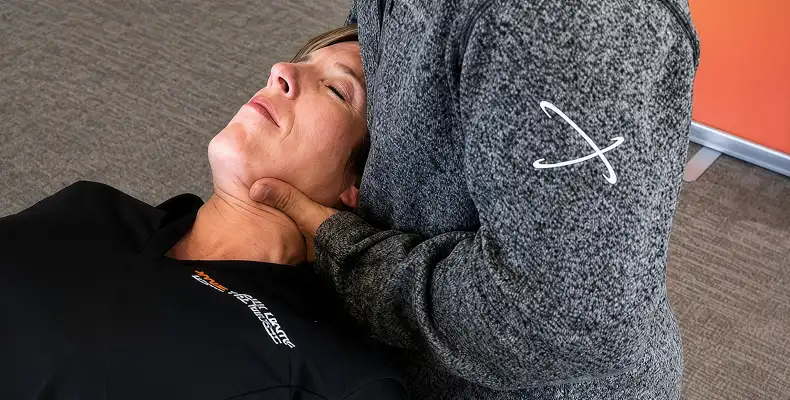
Pain that keeps returning, limits your daily activities, or makes you consider surgery is worth having evaluated. Physical therapy may help you improve mobility, rebuild strength, and manage symptoms without an invasive procedure.
Not every condition can be treated without surgery. However, exploring conservative treatment may help you understand your options before making that decision. A physical therapist can assess your movement, identify functional limitations, and develop a plan based on your condition and goals.
At Apogee Therapy Center, our physical therapy services focus on helping patients move more comfortably and return to the activities that matter to them. With clinics in Michigan and South Carolina, we provide individualized care for a variety of orthopedic conditions.
Move Better. Feel Stronger. Live At Your Peak
It is our aim to provide personal, compassionate care delivered by highly trained and experienced therapists.
Book An Appointment